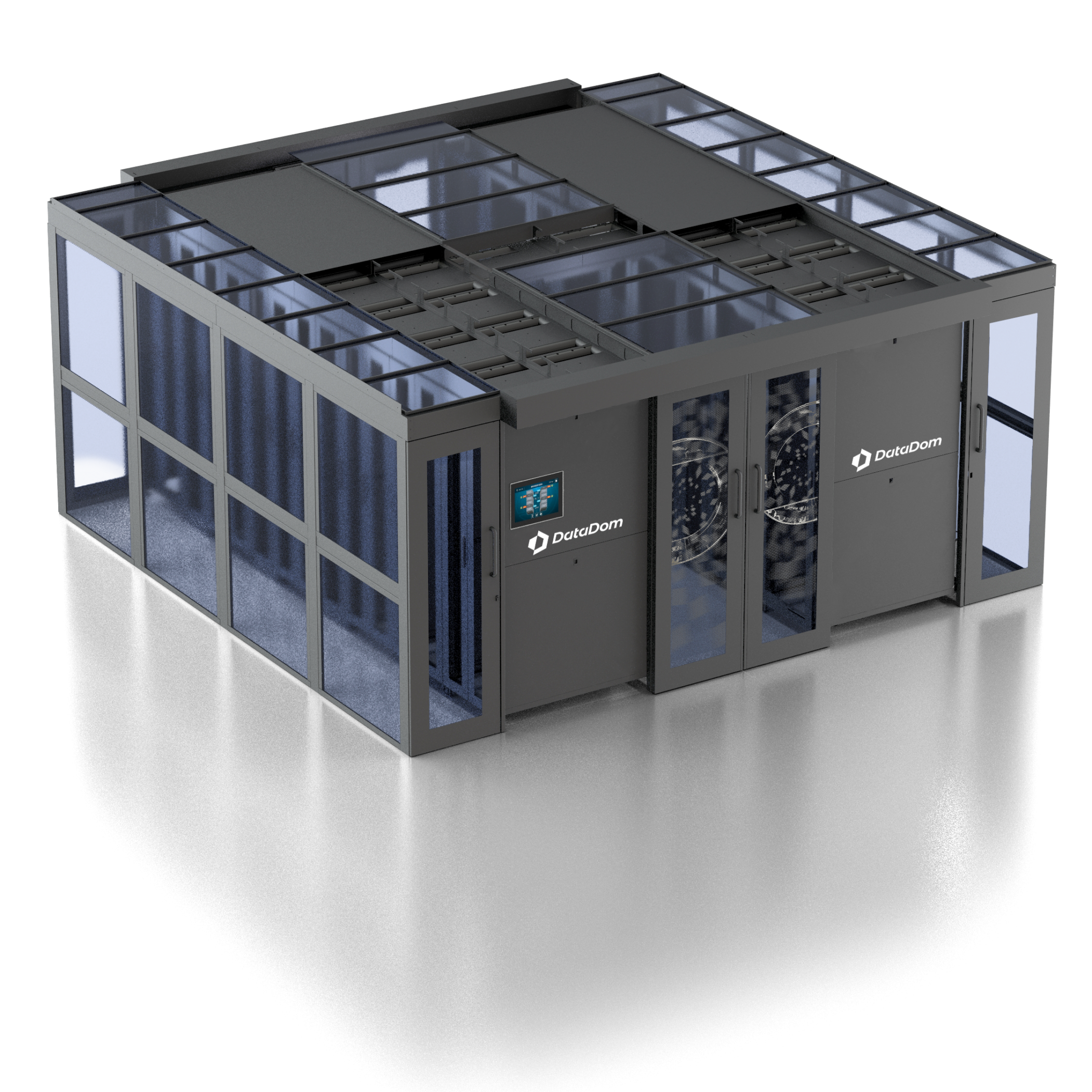
Heat Recovery in modular data centers
Heat Recovery in modular data centers
Heat recovery as an integral part of the data center
Heat recovery from data centers represents one of the most concrete levers to improve the sustainability of digital infrastructures.
During operation, a data center converts almost all the electrical energy absorbed by IT into heat, which is traditionally dissipated through cooling systems.
With the growing demand for computing power, higher load densities, and increasing data traffic, energy efficiency can no longer be evaluated solely in terms of internal consumption.
The heat generated becomes a design element to be managed and enhanced.
At DataDom, heat recovery is addressed as an integral part of the data center design, not as an ancillary solution.
At DataDom, heat recovery is addressed as an integral part of the data center design, not as an ancillary solution.
From heat capture to heat valorization
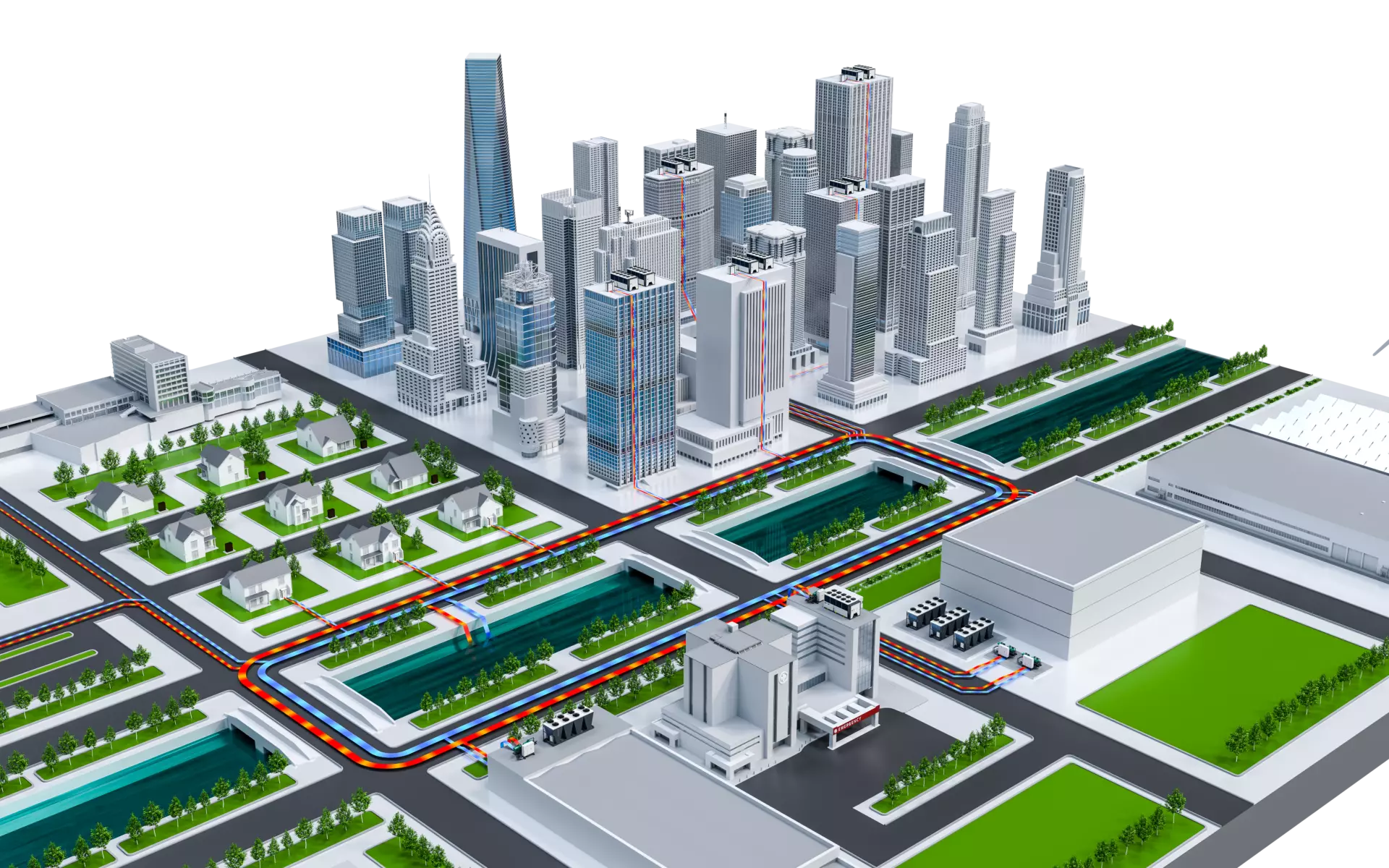
Heat recovery by design
In DataDom prefabricated data centers, heat recovery is considered from the very first design stages.
The analysis of IT loads, thermal flows, and operating temperatures makes it possible to realistically assess the share of recoverable energy and the potential uses of the heat.
In Europe, regulations and strategic guidelines on energy efficiency require new data centers to be designed with heat recovery capabilities. For this reason, we integrate design solutions from the outset that make the infrastructure compliant, without the need for subsequent interventions or forced adaptations.
This approach avoids theoretical or oversized solutions and makes it possible to design systems that are truly usable and consistent with the building and plant context in which the data center is integrated.
Heat recovery can be directed, for example, to heating offices and service areas, pre-treating primary air, or integrating with existing energy systems.
Operational continuity and infrastructure resilience remain the priority: the heat recovery system is designed to operate without interfering with data center performance.
The data center as an energy infrastructure
Integrating heat recovery means rethinking the role of the data center within its territory.
No longer an isolated element, but an active component of a broader system, capable of interacting with buildings, facilities, and energy networks.
For DataDom, designing data centers also means creating infrastructures ready for this shift: efficient, integrated, and oriented toward a more rational use of energy.