The DataDom DNA
The DataDom DNA
Designing infrastructures that stand the test of time
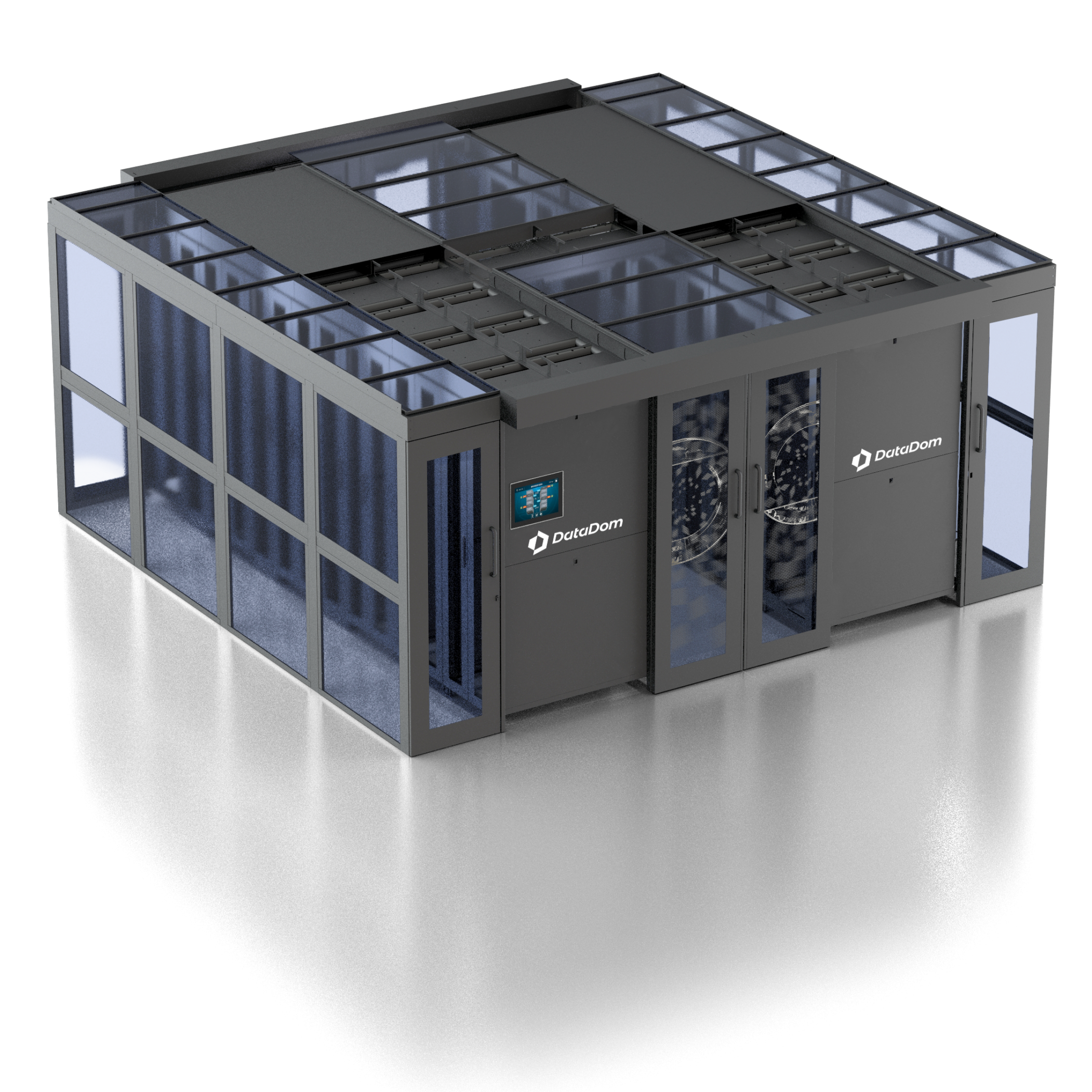
A prefabricated data center is not just a matter of fast deployment.
It is a choice that involves structure, safety, sustainability, and operational efficiency.
The DataDom approach starts from here: designing modular technological infrastructures capable of meeting today’s needs and adapting to tomorrow’s, without compromising reliability and performance.
 Structural resilience
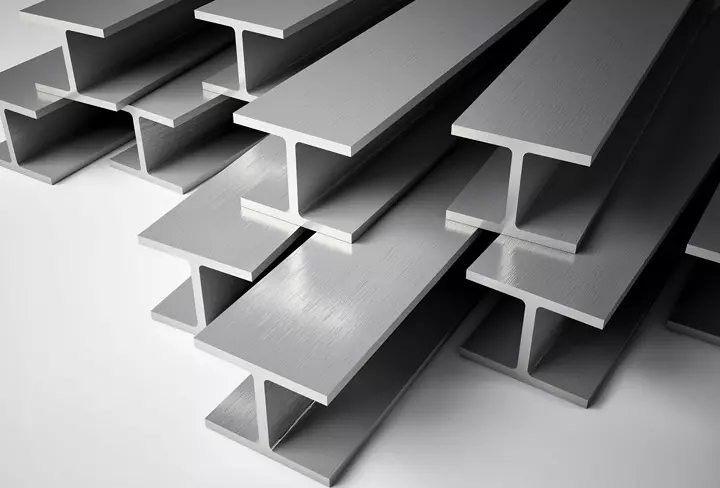
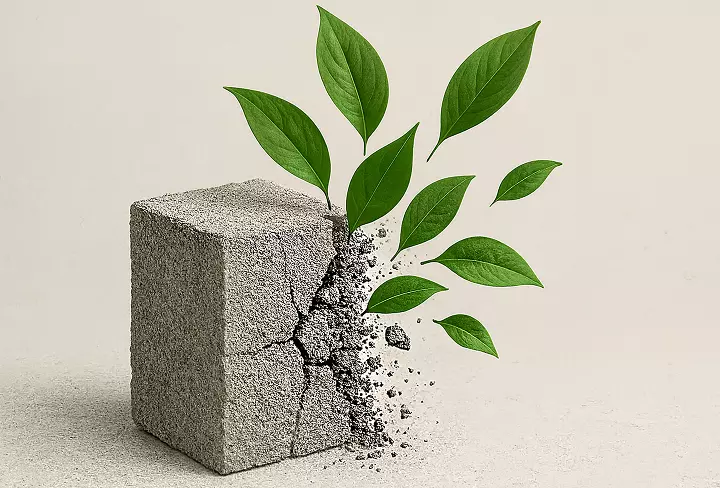
At the core of DataDom data centers is a cement-free metal structure made of hot-dip galvanized steel, designed to ensure maximum durability over time.
The absence of reinforced concrete makes the infrastructure lighter, more efficient, and more sustainable, simplifying installation and management throughout the entire lifecycle.
NTC 2018
NTC 2018
Guaranteed compliance
Extreme resistance
The structures are designed according to disaster-safe criteria to operate in critical environmental contexts, ensuring resistance not only to seismic events but also to extreme wind actions and other natural disasters.
A design approach that increases the building’s specific resistance and ensures operational continuity, reducing infrastructure risk and protecting IT assets even in the most complex scenarios.
Wind resistance
Wind resistance
Beyond current regulations
Maximum sustainability
DataDom data centers are designed to reduce environmental impact starting from the choice of materials.
The metal structure allows for material recycling, supporting integration into the circular economy.
An approach that combines environmental sustainability with technical performance, without compromising the robustness of the infrastructure.
Recyclable materials
Recyclable materials
For the circular economy
Hearthquake proof
The entire infrastructure is built on seismic-resistant supports and sliding systems, designed to dissipate the energy generated by seismic events and reduce the stress on the structure.
Structural analyses and the sizing of seismic isolators are developed in collaboration with the Polytechnic University of Milan, ensuring a scientific, validated, and measurable approach.
Applied research
Applied research
With Politecnico di Milano
Innovative and durable design
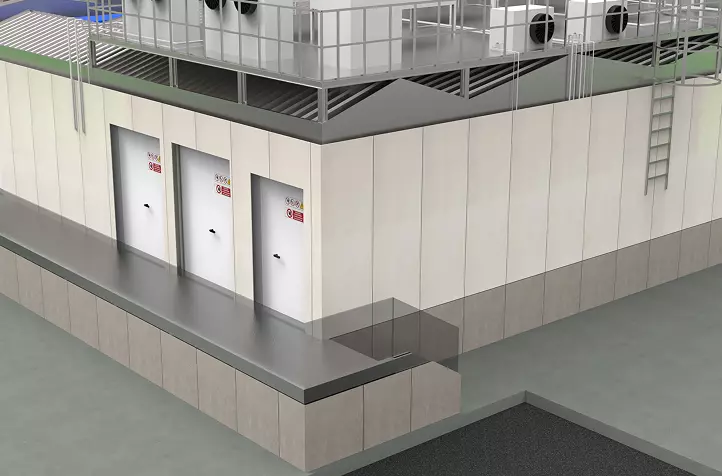
Architectural customization is an integral part of the project. Upon request, ventilated façades in photocatalytic ceramic stoneware can be provided, ensuring high durability, long-term protection, and aesthetic integration within urban or industrial contexts.
The use of photocatalytic ceramic stoneware ensures a lifespan of over 30 years, maintaining performance and aesthetic quality over time.
Recyclable materials
Recyclable materials
For the circular economy
Energy efficiency and heat recovery
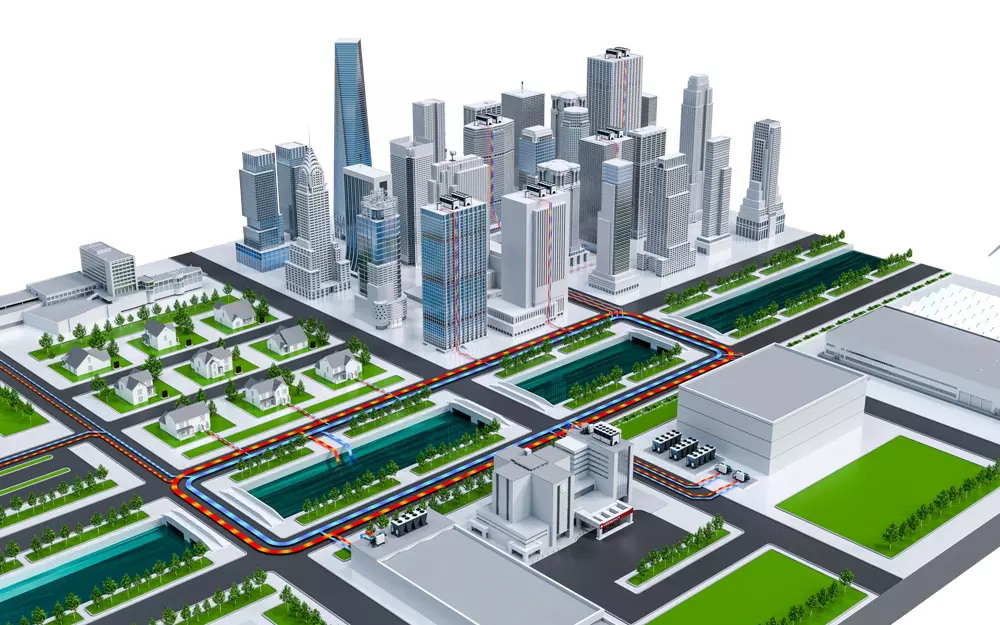
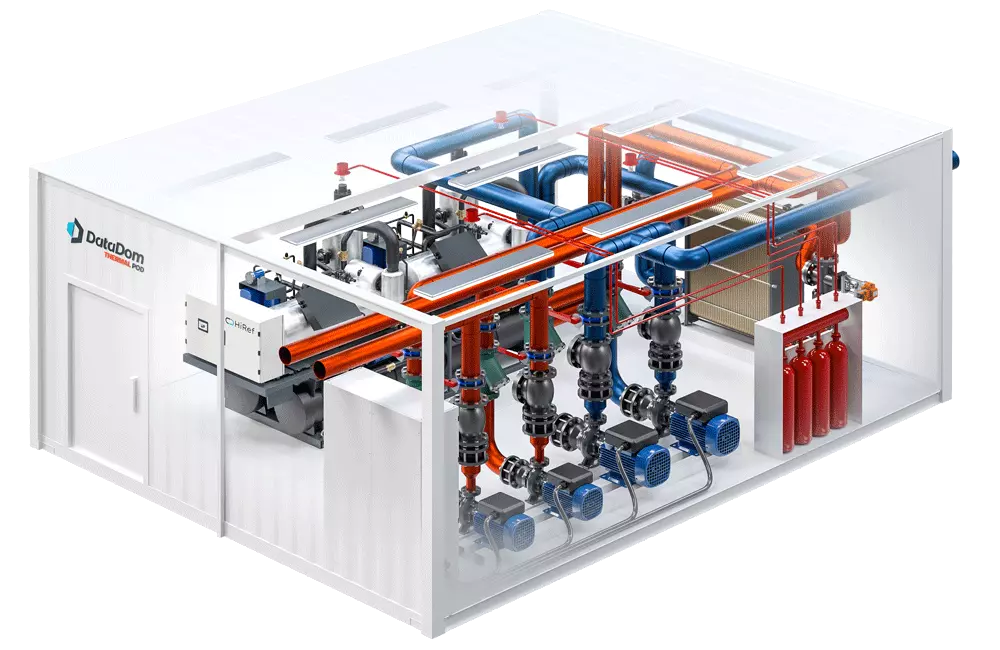
Plant engineering design is carried out in collaboration with HiRef to maximize energy efficiency and reduce operational consumption.
The heat generated by the data center is recovered and reused, transforming waste into a resource that can be integrated into buildings, industrial processes, or existing networks.
Integrated efficiency
Integrated efficiency
Heat recovery ready
Fire resistance
All materials used are certified and fire-resistant, in compliance with current regulations and reference standards.
Upon request, the infrastructure can be equipped with dedicated fire detection systems, designed in line with operational requirements and the required level of protection.
Certified materials
Certified materials
Fire protection
Certifiability to the highest international standards
All DataDom infrastructures are designed to be certifiable according to ANSI/TIA-942 standards up to Rating 4 and Uptime Institute Tier IV.
An approach that guides every architectural, plant engineering, and distribution choice, ensuring the highest levels of reliability, redundancy, and operational continuity.
Certifiable
Certifiable
Ansi TIA e Uptime